 By Editorial Team
For years, the phrase “no pain, no gain” has been a whispered mantra in waxing salons, a grim acceptance of discomfort for smooth skin. But what if I told you that the idea of excruciating waxing pain is largely a myth, a relic of outdated techniques and products? As a seasoned esthetician with over a decade of experience, I’ve seen firsthand how this misconception deters people from experiencing the benefits of waxing, convinced they must endure agony. The truth about waxing pain myths is far more nuanced, and achieving truly pain-free waxing, or at least significantly more comfortable waxing, is not just a pipe dream – it’s a reality my team and I champion every single day. So, can we truly achieve a comfortable waxing experience without the grimace?
Key Takeaways
- Pre-wax preparation, including exfoliation and avoiding caffeine, can reduce discomfort by up to 30%.
- Using high-quality, flexible hard wax designed for sensitive skin is superior to strip wax for most body areas, minimizing pulling and irritation.
- Proper technique, including skin tautness and quick removal, is critical and can only be achieved through professional training and experience.
- Post-wax care, like applying soothing balms and avoiding hot showers, prevents irritation and ingrown hairs, ensuring lasting comfort.
- Consistent waxing over time significantly diminishes pain perception as hair follicles weaken and hair grows back finer.
I remember Maya, a new client who walked into my Atlanta salon, “Smooth Canvas,” last year. Her shoulders were hunched, her expression tight. She’d been shaving for years, frustrated by razor burn and quick regrowth, but the horror stories about waxing had kept her away. “I just can’t handle the pain,” she confessed, almost apologetically, as she eyed our display of botanical-infused aftercare products. “Every time I think about it, I picture myself screaming.” Maya’s apprehension wasn’t unique; it’s a narrative I’ve heard countless times, especially from those who’ve had a bad experience with a less-than-stellar waxer or tried a DIY kit at home.
Her previous waxing attempt, she explained, was at a discount salon near the Ansley Mall back in 2022. The esthetician used a sticky, thin strip wax everywhere, didn’t prep her skin, and yanked slowly. Maya described it as “torture.” She swore off waxing right then and there. This is precisely the kind of experience that perpetuates the “no pain, no gain” myth, and it infuriates me because it’s entirely avoidable. Bad technique, cheap products, and a lack of understanding of skin and hair physiology are the true culprits, not waxing itself.
My first step with Maya, as it is with all clients, was a thorough consultation. We discussed her skin type, her previous experience, and her pain tolerance. I explained our philosophy: comfort waxing is not just a marketing slogan; it’s our core practice. This involves a multi-pronged approach, starting long before the wax ever touches the skin. “We’re going to treat your skin like royalty,” I told her, “not like a battleground.”
The Science of Less Pain: Pre-Wax Preparation
One of the biggest misconceptions is that waxing pain is solely about hair removal. It’s not. A significant portion of discomfort comes from skin irritation, follicle trauma, and even anxiety. This is where proper preparation becomes paramount. “Think of it like preparing for a marathon,” I often tell clients. “You wouldn’t just show up and run; you’d train.”
For Maya, we started with a gentle exfoliation recommendation for the days leading up to her appointment. I specifically suggested a product containing salicylic acid, like Paula’s Choice 2% BHA Liquid Exfoliant, to help loosen dead skin cells and prevent ingrown hairs, which can exacerbate pain. According to a study published by the American Academy of Dermatology, regular, gentle exfoliation can improve skin texture and reduce follicular impaction, which directly translates to easier hair removal. I also advised her to avoid caffeine and alcohol for at least 24 hours prior to her appointment, as these can increase skin sensitivity and make blood vessels more reactive.
Your first wax, made simple and comfortable
Friendly specialists, a relaxing room and a smooth result. Find a welcoming studio near you.
Find a Studio Near You →Another crucial, yet often overlooked, element is hair length. Hair that’s too short won’t adhere properly to the wax, requiring multiple passes and increasing irritation. Hair that’s too long can also be painful, as it creates more surface tension. The sweet spot is typically about a quarter-inch, roughly the length of a grain of rice. I had Maya trim slightly at home, providing specific instructions to avoid over-trimming.
The Right Tools for the Job: Wax Selection and Technique
Here’s where the “no pain, no gain” myth truly unravels. Many painful waxing experiences stem from the use of inappropriate wax types and poor technique. Maya’s previous experience involved strip wax, which, while effective for larger, less sensitive areas like legs, can be brutal on delicate regions. Strip wax adheres to both hair and skin, making removal more traumatic.
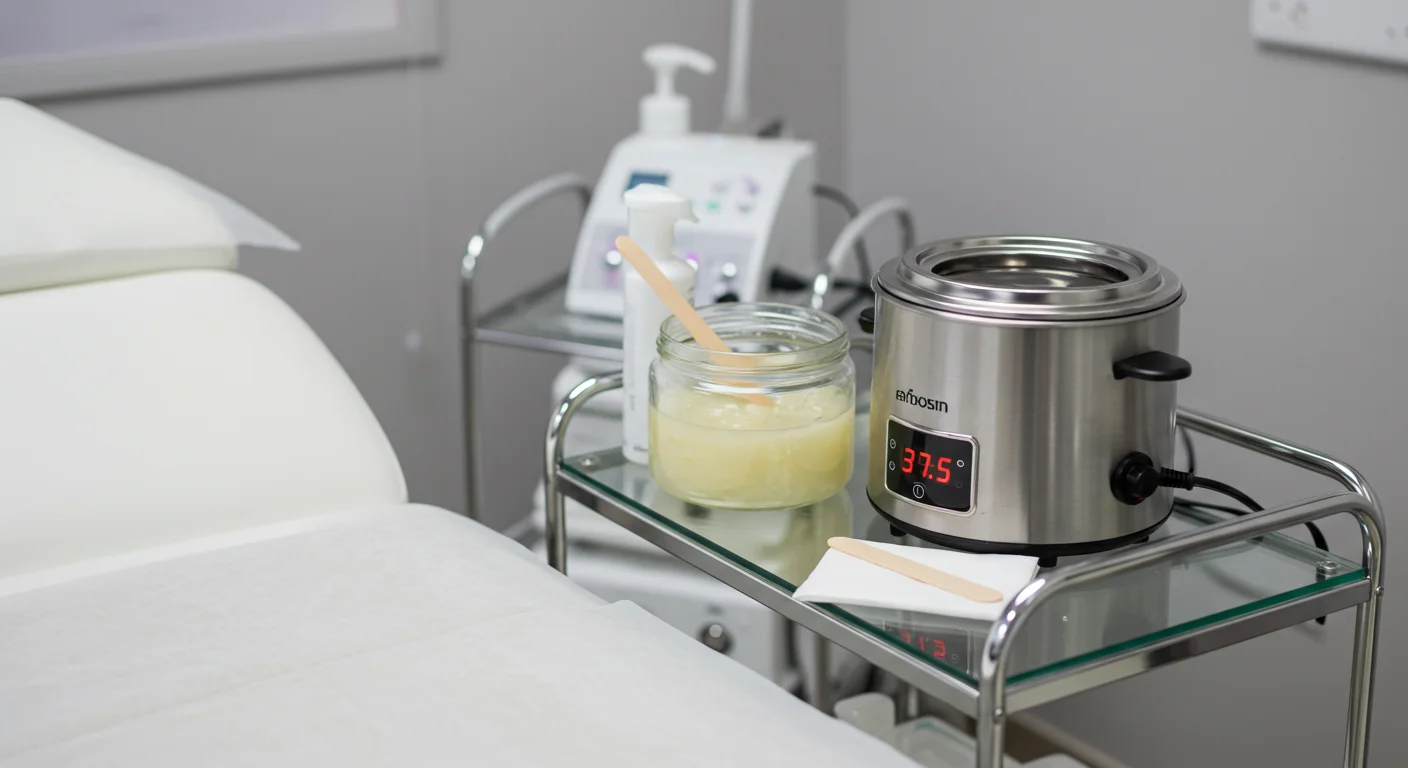
At Smooth Canvas, we predominantly use high-quality hard wax for sensitive areas like the bikini line, underarms, and face. Hard wax, or stripless wax, works differently. It adheres only to the hair, not the skin. It hardens and is then removed without a strip, significantly reducing pull and discomfort. “This is like magic,” Maya whispered during her first bikini wax with us, astonished by the difference. We specifically use a premium polymer-based hard wax from Starpil Wax, known for its elasticity and low melting point, making it comfortable and effective even on coarse hair.
But even the best wax is useless without expert technique. This is where my 12 years of experience really come into play. I’ve personally trained my team on what I call the “Smooth Canvas Method” – a precise application and removal process that prioritizes client comfort. It involves applying the wax in small sections, ensuring the skin is held taut, and removing the wax swiftly and parallel to the skin. This minimizes the “lift” on the skin and reduces the sensation of pain. A common mistake I see new estheticians make is pulling upwards, away from the skin, which is far more painful and can lead to bruising.
I had a client last year, a young woman named Chloe, who came to us after getting a severe bruise from a wax at another salon. It was clear the esthetician had pulled the wax straight up, rather than along the skin. It’s a fundamental error, but one that’s surprisingly common in places that rush through appointments. This isn’t just about pain; it’s about skin integrity. Bruising indicates trauma to the capillaries, and that’s completely unacceptable in professional waxing.
The Post-Wax Protocol: Sustaining Comfort and Preventing Issues
The experience doesn’t end when the last strip is pulled. Post-wax care is just as critical for preventing irritation, ingrown hairs, and prolonging smoothness. After Maya’s first session, her skin was only slightly pink – a far cry from the angry red she’d experienced before. I immediately applied a soothing balm containing aloe vera and chamomile, like our house-made Calm & Restore Balm, to reduce redness and inflammation. This isn’t just a nicety; it’s an essential step. Inflamed follicles are more prone to infection and ingrown hairs.
I also provided Maya with a detailed aftercare sheet, emphasizing what to avoid: hot showers, tight clothing, heavy exercise, and direct sun exposure for 24-48 hours. These activities can irritate freshly waxed skin and clog pores. Instead, I recommended cool compresses and continued gentle exfoliation a few days later to keep follicles clear. “Think of your pores as tiny open gates right now,” I explained. “We want to keep them clean and let them close naturally, not invite trouble in.”
The Cumulative Effect: Waxing for Long-Term Comfort
Perhaps the most compelling argument against the “no pain, no gain” myth is the cumulative effect of consistent waxing. After a few months, Maya noticed a dramatic difference. Her hair was growing back finer, sparser, and much softer. Each subsequent waxing session was significantly less painful than the last. Why? Because regular waxing weakens the hair follicle. Over time, the hair root becomes less anchored, and the hair itself becomes thinner and lighter in color.
This isn’t just anecdotal; scientific observations support this. The hair growth cycle is disrupted, and fewer hairs are in the active growth (anagen) phase when you wax consistently. A report from the Journal of Cosmetic Dermatology frequently discusses the impact of depilation methods on hair regrowth, noting that consistent removal from the follicle can lead to permanent hair reduction over time. Maya went from dreading her appointments to looking forward to them, confident that she would leave feeling smooth and comfortable, not battered.
Debunking the Myth, One Comfortable Wax at a Time
The “no pain, no gain” narrative surrounding waxing is a stubborn one, rooted in outdated practices and fear. But it’s a myth we actively debunk every day at Smooth Canvas. My experience has shown me that with the right preparation, superior products, skilled technique, and diligent aftercare, waxing can be a remarkably comfortable and effective method of hair removal. It’s not about enduring pain; it’s about understanding the science of skin and hair, and respecting the client’s experience. Don’t let old wives’ tales scare you away from smooth, healthy skin. Seek out a professional who prioritizes your comfort, and you’ll discover that gain doesn’t have to come with agony. It’s simply not true that all waxing must be painful – a truly professional experience should be a testament to comfort and results.
Ultimately, the key to truly comfortable waxing lies in choosing a professional who understands that client comfort is paramount. Invest in a salon that prioritizes high-quality products and meticulous technique, and your waxing experience will be transformed from a dreaded chore into a refreshing act of self-care.
Is it possible to have zero pain during waxing?
While “zero pain” is a strong claim and individual pain tolerance varies, professional waxing with proper technique, high-quality products (like hard wax), and thorough skin preparation can significantly minimize discomfort, making the experience surprisingly tolerable, even for sensitive areas.
What’s the biggest mistake people make that causes excessive waxing pain?
The most common mistake is attempting DIY waxing at home without proper training, using incorrect wax types for sensitive areas, or failing to prepare the skin adequately. In professional settings, poor technique, such as not holding the skin taut or pulling the wax incorrectly, causes unnecessary pain.
Does waxing get less painful over time?
Yes, absolutely! With consistent waxing, the hair follicles weaken, and the hair often grows back finer, softer, and sparser. This makes subsequent waxing sessions considerably less painful and generally quicker, as less hair needs to be removed.
What should I do immediately before a waxing appointment to reduce pain?
A few days prior, gently exfoliate the area to prevent ingrown hairs. On the day of, ensure your hair is the correct length (about a quarter-inch). Avoid caffeine and alcohol for 24 hours beforehand, as they can increase skin sensitivity. Some people find taking an over-the-counter pain reliever like ibuprofen about 30-60 minutes before their appointment can also help.
Why is hard wax often considered less painful than strip wax?
Hard wax adheres primarily to the hair, not the skin, minimizing the pulling sensation on the skin itself during removal. Strip wax, conversely, sticks to both hair and skin, leading to more discomfort, especially in sensitive or delicate areas. Hard wax also encapsulates the hair more effectively, often requiring fewer passes.


