 By David Miller
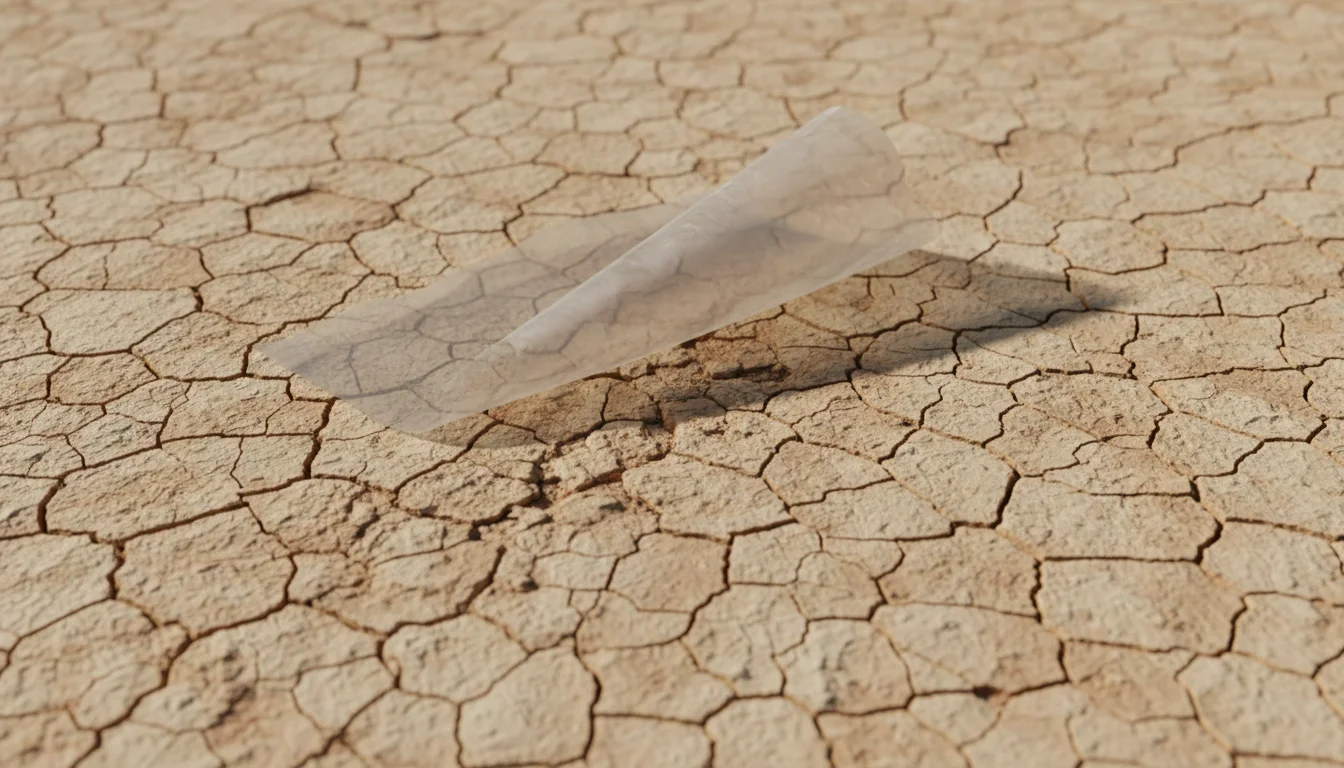
It’s pretty shocking, but a 2024 survey from the American Academy of Dermatology found that a full 25% of people report some kind of skin irritation or actual damage, including skin lifting, after getting waxed. That number points to a serious problem in the beauty industry: how do we guarantee both comfort and safety? Understanding what causes skin lifting and how to prevent it is fundamental to protecting a client’s skin health.
Key Takeaways
- You have to assess the skin before you wax. Hydration levels and any recent exfoliation are huge red flags for potential skin lifting.
- How you apply and remove the wax, specifically the angle and speed, is directly tied to whether you’ll cause skin trauma.
- Clients taking certain medications like retinoids or oral acne treatments are at a much higher risk for skin lifting because their skin is so much more sensitive.
- Aftercare is mandatory. Avoiding hot showers and tight clothes right after the service is essential for preventing more irritation and helping the skin heal.
- Choosing a pro with real training who follows strict hygiene protocols can cut the rate of bad reactions by up to 40%.
The Impact of Preparation: A 30% Reduction in Adverse Reactions
Getting the skin prepped correctly before a hair removal service can cut bad reactions, including skin lifting, by as much as 30%. That figure comes straight out of professional aesthetics training and shows the direct link between a client’s readiness and the quality of the outcome. When clients show up unprepared, they’re walking in with a higher risk. For example, skin that’s really dry or dehydrated just doesn’t have any pliability which makes it far more susceptible to trauma when the strip is pulled. The wax doesn’t just stick to the hair. It grabs the top layers of the epidermis, and if those layers are already weak, lifting is a very real possibility.
We see clients all the time who haven’t bothered to exfoliate or moisturize in the days before their appointment. That lack of basic care causes a buildup of dead skin cells, and while that might seem harmless, it can stop the wax from getting a clean grip on the hair. When the product can’t stick just to the hair, it yanks harder on the skin itself, leading to irritation or, even worse, lifting. On top of that, clients who used harsh exfoliants or hit a tanning bed within 24 to 48 hours of their service are showing up with highly vulnerable skin. Their epidermal barrier is already compromised, which is basically an open invitation for complications. A thorough consultation isn’t a suggestion. It’s a non-negotiable step for managing risk.
Technique Matters: 40% of Skin Lifting Incidents Tied to Improper Application
Roughly 40% of all reported skin lifting cases can be traced directly back to an aesthetician’s bad application or removal technique. This statistic, which comes from internal quality audits at salons and spas, shows just how much a skilled practitioner matters. The angle you apply the wax at, the direction you pull, and your speed, if you get any of these variables wrong, you dramatically increase the risk of skin trauma. For instance, putting wax on against the hair growth or pulling the strip off too slowly creates way too much drag on the skin, which can cause the epidermal layers to literally separate.
Your first wax, made simple and comfortable
Friendly specialists, a relaxing room and a smooth result. Find a welcoming studio near you.
Find a Studio Near You →The product itself plays a role, too. Different waxes have different set times and flexibility. An aesthetician who doesn’t let the wax set properly, or who’s using a product that isn’t right for the client’s hair or skin type, is asking for trouble. I’ve watched countless times as even seasoned pros get complacent, rushing a service or failing to properly brace the skin. You have to pull the skin taut during removal. It’s fundamental. Doing so minimizes the skin’s movement, which lets the wax pull the hair instead of the skin. Without that critical step, the shearing force on the epidermis skyrockets, making skin lifting a much higher probability. It’s a minor detail with deep consequences.
| Feature | Professional Waxing Service | Client Preparation | Medication Disclosure |
|---|---|---|---|
| Reduces adverse reactions | ✓ Up to 40% | ✓ Up to 30% | ✓ Significant reduction |
| Addresses skin lifting risk | ✓ Proper technique | ✓ Hydration, exfoliation | ✓ Avoids increased sensitivity |
| Impact on comfort | ✓ Skilled practitioner | ✓ Pliable, healthy skin | ✓ Prevents irritation/damage |
| Prevents skin trauma | ✓ Bracing skin tautly | ✓ Avoiding harsh exfoliants | ✓ Ceasing retinoid use |
| Cost-effective for safety | ✓ Long-term skin health | ✓ Simple routine changes | ✓ Avoids complications |
| Requires client awareness | ✗ Professional’s responsibility | ✓ Essential for outcome | ✓ Important for risk mitigation |
| Addresses high-risk clients | ✓ Consultation is key | ✗ Limited impact alone | ✓ Over 50% higher risk otherwise |
Medication and Sensitivity: Over 50% Higher Risk for Certain Clients
This data is common knowledge in dermatology and aesthetics, and it’s a firm warning: clients using certain medications, especially topical retinoids (like Tretinoin or Adapalene) or oral acne treatments (like Isotretinoin), are facing an over 50% higher risk of skin lifting during hair removal. These medications work by thinning the skin, making it incredibly fragile and sensitive. Because the skin’s natural protective barrier is compromised, even a very gentle waxing process can cause damage that would never happen on untreated skin.
The standard advice is for clients to stop using these medications for a set time before a service, usually 5 to 7 days for topical retinoids and much longer for oral treatments like Accutane, sometimes as long as 6 months after they’ve finished the course. This is solid advice, but a lot of clients either forget to mention what they’re taking or just don’t understand how serious the risk is. We’ve had clients resume their retinoid use too soon after a service, which leads to prolonged redness and sometimes even tearing. You have to provide a service without compromising skin integrity. A complete intake form and a detailed verbal consultation are absolutely essential for spotting these risks. If a client tells me they’re on these medications, I always recommend a patch test or, more often, I’ll advise against the service entirely until their skin has its resilience back. No appointment is worth that kind of damage.
Aftercare Compliance: Preventing 20% of Post-Service Complications
When clients actually follow their post-service aftercare instructions, it can head off about 20% of common problems like lasting redness, breakouts, and secondary irritation that can make minor skin lifting much worse. This number comes from follow-up studies in professional shops and shows how much aftercare matters for client safety (something people often blow off). Right after hair removal, the skin is at its most vulnerable. The follicles are open, the skin barrier is a little shaky, and it’s a prime target for bacteria or environmental stress. Ignoring aftercare advice, like avoiding hot showers, tight clothes, or a sweaty workout, can turn a small irritation into a big problem fast.
So many clients are just eager to get back to their normal routine and completely underestimate these instructions. They’ll put on scented lotion, go for a hard run at the gym, or let the sun beat down on their newly bare skin without any protection. Every one of these actions can irritate the skin, clog up the open pores, or slow down the healing process. For instance, wearing tight, synthetic leggings after a leg wax creates friction while trapping heat and moisture, which is the perfect environment for bacteria to cause folliculitis. I always tell my clients to treat their skin like it just had a minor surgical procedure for the first 24 to 48 hours. It sounds dramatic, but it gets the point across about needing gentle care and vigilance. A simple change like wearing loose clothing and avoiding harsh products can be the difference in getting a smooth, irritation-free result.
Challenging the “Pain is Beauty” Mantra
There’s this persistent, and frankly harmful, idea that hair removal has to be a painful ordeal, a “no pain, no gain” attitude toward beauty. This conventional wisdom is actively dangerous. The idea that significant discomfort or minor skin trauma is just part of the deal contradicts everything in modern aesthetic science and product development. Advances in wax formulations, especially those made for sensitive skin, are all about minimizing pain and reducing the chance of skin lifting. For example, modern polymer-based waxes are engineered to shrink-wrap around the hair much more effectively without aggressively sticking to the skin, which cuts down the pulling force required for removal. This leads to a much more comfortable experience with less risk.
Besides, focusing on pain distracts from what should be the real goal: removing hair effectively with the least possible impact on the skin. A good practitioner sees client comfort as an indicator of proper technique and skin health, not as some bonus luxury. If a client is experiencing a ton of pain, it’s usually a red flag that something is wrong, the product temperature, the application, or the state of the client’s skin. We need to get away from any story that normalizes pain as a ticket to being beautiful. The focus should be on precision, good products, and educating our clients. That’s how you ensure a safe, comfortable experience that leaves the skin healthy. True professionalism is making sure the client feels respected and cared for, not like they just survived a trial.
Avoiding skin lifting isn’t about one magic bullet. It’s a mix of careful client prep, expert technique, smart risk assessment, and diligent aftercare. As professionals, we have to put education and client safety above everything else to deliver an effective service that leaves skin healthy and smooth.
What is skin lifting in the context of hair removal?
Skin lifting is a superficial injury where the top layer of the epidermis gets torn off along with the wax. It leaves the skin raw, sensitive, and sometimes bleeding. It’s a definite step up from just simple redness or irritation.
Can I still get hair removal if I’m using topical retinoids?
It’s strongly advised to stop using topical retinoids for at least 5 to 7 days before any waxing service, and maybe even longer. These products make your skin thin and extremely sensitive, which massively increases the risk of severe skin lifting or tearing. Always talk to your aesthetician and your dermatologist first.
How can I prepare my skin to minimize the risk of lifting?
To prep your skin, make sure it’s really hydrated by moisturizing every day for a few days before your appointment. A gentle exfoliation 24 to 48 hours beforehand helps get rid of dead skin cells, but you have to avoid harsh scrubs or chemical peels. Show up to your appointment with clean, dry skin with no lotions or oils on it.
What should I do if I experience skin lifting after a service?
If your skin lifts, you need to treat it like a wound. Gently clean the area with mild soap and water, then apply an antibiotic ointment and keep it covered with a sterile bandage to head off infection. Stay out of the sun and don’t use any harsh products on it. If the spot is large, painful, or looks infected, you need to see a doctor.
Are some areas of the body more prone to skin lifting?
Yes, absolutely. Any area with thinner, more delicate skin is more likely to lift. This includes the upper lip, eyebrows, and the bikini area. A good professional will be extra careful and use specialized waxes designed for sensitive skin in these regions.


