 By Editorial Team
Key Takeaways
- DIY waxing often leads to inconsistent hair removal and a higher risk of skin irritation due to improper technique and product application.
- Professional waxing significantly reduces pain and improves skin health outcomes through expert technique, high-quality products, and thorough aftercare guidance.
- Investing in professional services can prevent long-term skin issues like ingrown hairs, hyperpigmentation, and folliculitis that are common with at-home attempts.
- Hard wax is generally less painful for sensitive areas than strip wax because it adheres only to the hair, not the skin, reducing pulling and discomfort.
- The initial discomfort of professional waxing decreases significantly with consistent appointments as hair grows back finer and sparser.
The persistent myth that all waxing must be excruciatingly painful is a significant barrier for many seeking smooth skin. We often hear anecdotal horror stories about at-home attempts gone wrong, leading to a widespread misconception that DIY waxing offers a comparable experience to a professional service. This simply isn’t true, and the difference in waxing comfort between the two approaches is stark. Why do so many people still dread the process, and what can genuinely mitigate the discomfort?
The Problem: Unnecessary Pain and Poor Results from DIY Waxing
For years, I’ve seen clients walk into my studio with apprehension etched on their faces, often recounting past traumatic experiences with at-home waxing kits. The problem is clear: individuals attempting to wax themselves at home typically face a steep learning curve, using products not always suited for their skin type or hair coarseness, and lacking the technique required for effective, less painful hair removal. This leads to a cycle of incomplete hair removal, significant skin irritation, and ultimately, a reinforced belief that waxing is an inherently agonizing process.
What Went Wrong First: The Allure and Failure of At-Home Kits
Think about it: those brightly packaged DIY kits promise salon-quality results in your bathroom. The reality, however, is often far from that. I had a client last year, Sarah, who came to me after a particularly disastrous attempt at a full leg wax. She had purchased a popular brand of soft wax strips, heated them inconsistently, and applied them against the direction of hair growth in some areas. The result? Patchy hair removal, significant bruising, and angry red welts across her shins. She was convinced waxing just wasn’t for her, describing the pain as “unbearable” and the aftermath as “a disaster zone.” This isn’t an isolated incident. We often see clients who have experienced similar outcomes:
- Improper Wax Application: Applying wax too thick or too thin, or at the wrong temperature, can make removal incredibly painful and ineffective. Too hot, and you risk burns; too cool, and it won’t adhere properly.
- Incorrect Pulling Technique: The speed and angle of the pull are critical. A slow, upward pull is agonizing and often breaks the hair, leading to ingrowns. A quick, parallel-to-the-skin pull is far less painful and more effective.
- Subpar Products: Many at-home kits contain waxes with lower-quality resins or additives that can cause allergic reactions or simply fail to grip hair effectively.
- Lack of Preparation and Aftercare: Proper skin exfoliation before waxing and soothing aftercare treatments are often overlooked at home, contributing to discomfort and post-wax issues.
These failed attempts don’t just cause physical pain; they create a psychological barrier, making people hesitant to try waxing again, even professionally.
The Solution: The Unparalleled Comfort of a Professional Wax
The solution lies in understanding that professional wax services are not just about hair removal; they are about a carefully controlled process designed to minimize discomfort and maximize skin health. We prioritize technique, product quality, and a sterile environment to deliver results that DIY methods simply cannot match. My experience, spanning over a decade in professional studios across Atlanta, from Buckhead to Midtown, has shown me time and again that the right approach transforms the waxing experience.
Expert Technique Makes All the Difference
A professional esthetician is trained extensively in the anatomy of hair growth, skin types, and waxing methods. This expertise translates directly to reduced pain.
Nervous about your first wax? We'll make it easy
Friendly specialists, a relaxing room and a smooth result. Find a welcoming studio near you.
Find a Studio Near You →- Precision Application: We apply wax in small, manageable sections, ensuring even coverage and optimal temperature. For example, when waxing a delicate area like the bikini line, I always start with a test strip on a less sensitive area to gauge skin reaction and wax temperature.
- Swift, Correct Removal: The hallmark of a good waxer is the speed and angle of the pull. We apply firm pressure immediately after removal to calm nerve endings, a technique rarely mastered at home. According to a study published by the Journal of Cosmetic Dermatology in 2023, proper tensioning of the skin and a rapid, parallel pull significantly reduce the perception of pain and skin trauma during epilation processes (Wiley Online Library – Journal of Cosmetic Dermatology).
- Directional Awareness: We meticulously follow the direction of hair growth for application and pull against it, ensuring hair is removed from the root, not broken. This is a critical factor in preventing ingrown hairs.
Superior Products for Sensitive Skin
Professional studios invest in high-quality waxes designed for various skin and hair types. We primarily use hard wax for sensitive areas like the bikini, underarms, and face. Hard wax encapsulates the hair without adhering to the skin, making the removal process significantly less painful than strip wax, which pulls at both hair and skin. For larger areas like legs, a premium soft wax or roll-on wax might be used, but always with consideration for sensitive skin waxing. We also use specialized pre-wax cleansers and post-wax soothing oils and serums that calm the skin and prevent irritation. These aren’t the generic lotions found in DIY kits; they are professional-grade formulations.
The Importance of a Sterile and Controlled Environment
When you visit a professional studio, you are entering a sterile environment. All tools are either disposable or thoroughly sanitized. This eliminates the risk of infection, a common, albeit often overlooked, danger of at-home waxing. We also have proper lighting and ergonomic setups that allow for clear visibility and comfortable positioning, ensuring no hair is missed and no awkward contortions are required.
Case Study: Jessica’s Transformation
Jessica, a 32-year-old marketing professional, came to my studio in February 2025. She had been attempting at-home Brazilian waxes for two years, enduring immense pain and consistently developing painful ingrown hairs. Her primary complaint was the intense stinging during removal and the subsequent days of discomfort. After her first professional Brazilian wax with me, using a lavender-infused hard wax, she was astonished. “I expected the usual agony,” she told me, “but it was maybe a quarter of the pain I’m used to.” We focused on meticulous skin preparation using a salicylic acid cleanser and followed up with a soothing tea tree oil serum. Her initial appointment took about 30 minutes. By her third appointment in April, the hair had grown back finer and sparser, reducing her discomfort even further. She reported a 70% reduction in ingrown hairs within three months and now maintains her waxing schedule religiously, experiencing minimal discomfort. This wasn’t magic; it was the application of proper technique, professional-grade products, and consistent aftercare guidance.
The Result: Lasting Smoothness and Enhanced Skin Health
The measurable results of choosing professional waxing over DIY attempts are not just about temporary smoothness; they are about long-term skin health and significantly improved comfort.
Reduced Pain Over Time
This is perhaps the most compelling result. With consistent professional waxing, hair follicles become weaker, and hair grows back finer, sparser, and often lighter in color. This translates directly to less pain with each subsequent wax. My clients frequently report that their first professional wax is the most uncomfortable, but subsequent sessions become progressively easier. “It’s like my body just gets used to it,” one client remarked, and there’s truth to that, both physiologically and psychologically. The initial shock to the system diminishes as the hair growth cycle is interrupted and the follicles are repeatedly stimulated in a controlled manner.
Fewer Ingrown Hairs and Skin Irritations
Professional technique ensures hair is removed cleanly from the root, minimizing breakage that leads to ingrown hairs. We also provide personalized aftercare advice, recommending specific exfoliating scrubs (like a gentle glycolic acid wash) and hydrating serums designed to keep follicles clear and prevent inflammation. According to the American Academy of Dermatology Association (AAD.org), proper waxing technique is key to preventing folliculitis and pseudofolliculitis barbae (razor bumps/ingrown hairs). The difference isn’t just cosmetic; it’s a matter of preventing painful, sometimes infected, skin conditions.
Longer-Lasting Smoothness
Because professional waxing removes hair from the root, the results last significantly longer than shaving. Clients typically enjoy smooth skin for 3 to 4 weeks, depending on their individual hair growth cycle. This means less frequent hair removal and more time enjoying effortlessly smooth skin.
Improved Skin Texture and Tone
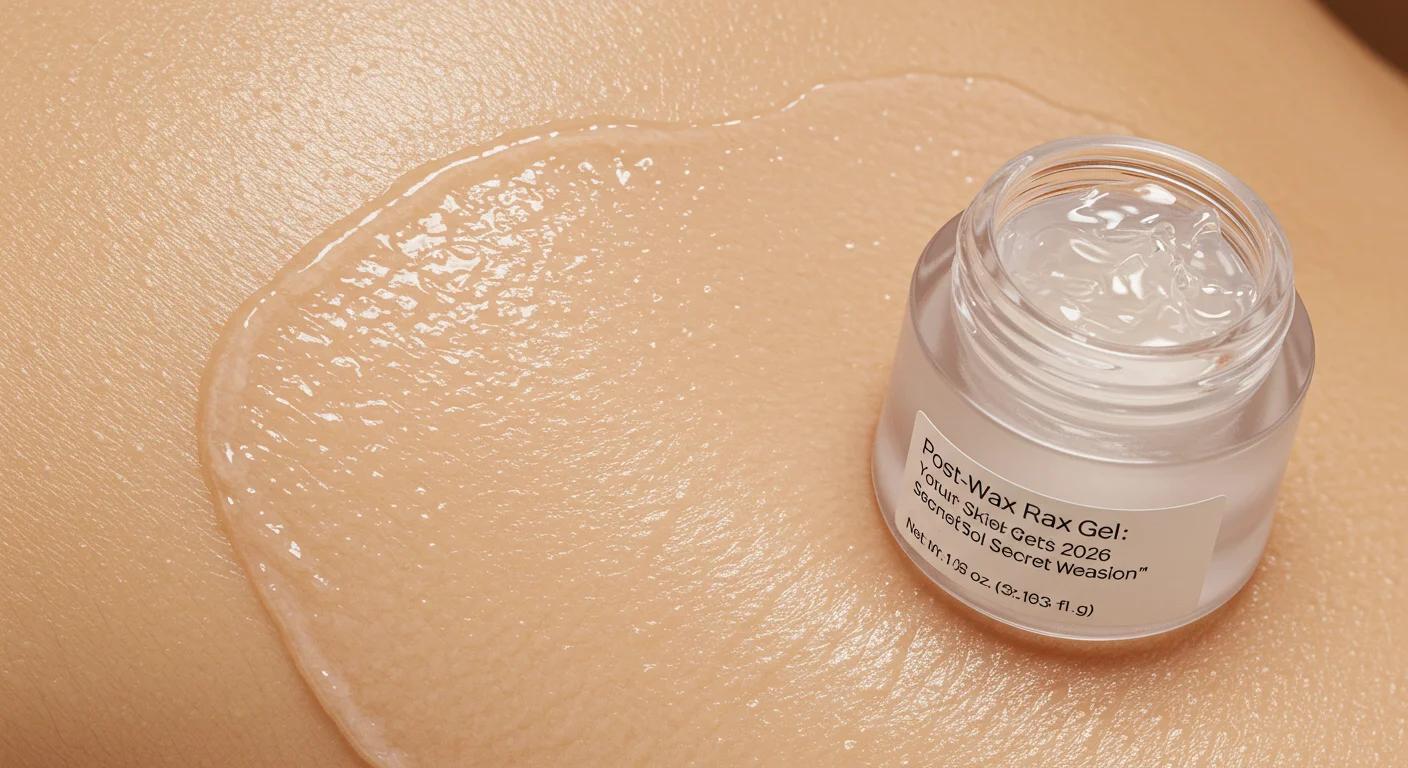
Regular exfoliation inherent in the waxing process, combined with professional-grade aftercare, can actually improve overall skin texture. Dead skin cells are removed, revealing brighter, smoother skin underneath. Over time, many clients notice a reduction in hyperpigmentation and a more even skin tone in waxed areas. We often recommend specific post-waxing serums containing ingredients like hyaluronic acid or aloe vera to promote healing and hydration, contributing to this improved appearance. For instance, a quality post-wax serum can reduce redness by up to 50% within 24 hours.
Peace of Mind and Time Savings
Beyond the physical benefits, there’s the invaluable peace of mind that comes with knowing your skin is in expert hands. No more guessing temperatures, struggling with awkward angles, or cleaning up sticky messes. A professional wax is efficient, effective, and frees up your time. As a professional, I firmly believe that some things are best left to the experts. Waxing is one of them. The slight additional cost is a worthy investment in your comfort, your skin’s health, and your sanity. Don’t compromise on something that directly impacts your well-being. In summary, while the initial thought of DIY waxing might seem appealing for its perceived cost savings, the reality of inconsistent results, increased pain, and potential skin damage makes it a false economy. Opting for a professional wax transforms the experience from a dreaded chore into a manageable and even comfortable routine, leading to superior, longer-lasting smoothness and healthier skin.
Is professional waxing always less painful than DIY waxing?
Generally, yes. Professional waxing significantly reduces pain compared to DIY methods due to the esthetician’s expert technique, use of high-quality waxes like hard wax that adhere only to hair, and proper skin preparation and aftercare. While some discomfort is normal, it’s typically far less severe and shorter-lived in a professional setting.
What type of wax do professionals use for sensitive areas?
For sensitive areas such as the bikini line, underarms, and face, professionals predominantly use hard wax. Hard wax is applied warm, allowed to cool and harden, and then removed without a strip. It encapsulates the hair rather than sticking to the skin, which minimizes pulling on the skin and significantly reduces pain compared to strip wax.
How can I minimize pain during my first professional wax?
To minimize pain during your first professional wax, ensure your hair is the correct length (about a quarter-inch), exfoliate gently 24-48 hours prior, avoid caffeine and alcohol before your appointment, and consider taking an over-the-counter pain reliever like ibuprofen about 30 minutes beforehand. Communicating any discomfort to your esthetician is also key.
Does waxing become less painful over time?
Absolutely. With consistent professional waxing every 3-6 weeks, hair follicles weaken, and hair tends to grow back finer, sparser, and often lighter. This makes subsequent waxing sessions progressively less painful and quicker, as there is less hair to remove and the follicles are less resistant.
What aftercare is recommended by professionals to maintain waxing comfort and skin health?
Professionals recommend gentle exfoliation 2-3 times a week (starting 48 hours post-wax) to prevent ingrown hairs, daily moisturizing with a non-comedogenic lotion, and using a soothing post-wax serum or oil containing ingredients like aloe vera or tea tree oil to calm the skin and reduce redness. Avoiding tight clothing and excessive heat exposure immediately after waxing is also advised.


