 By Editorial Team
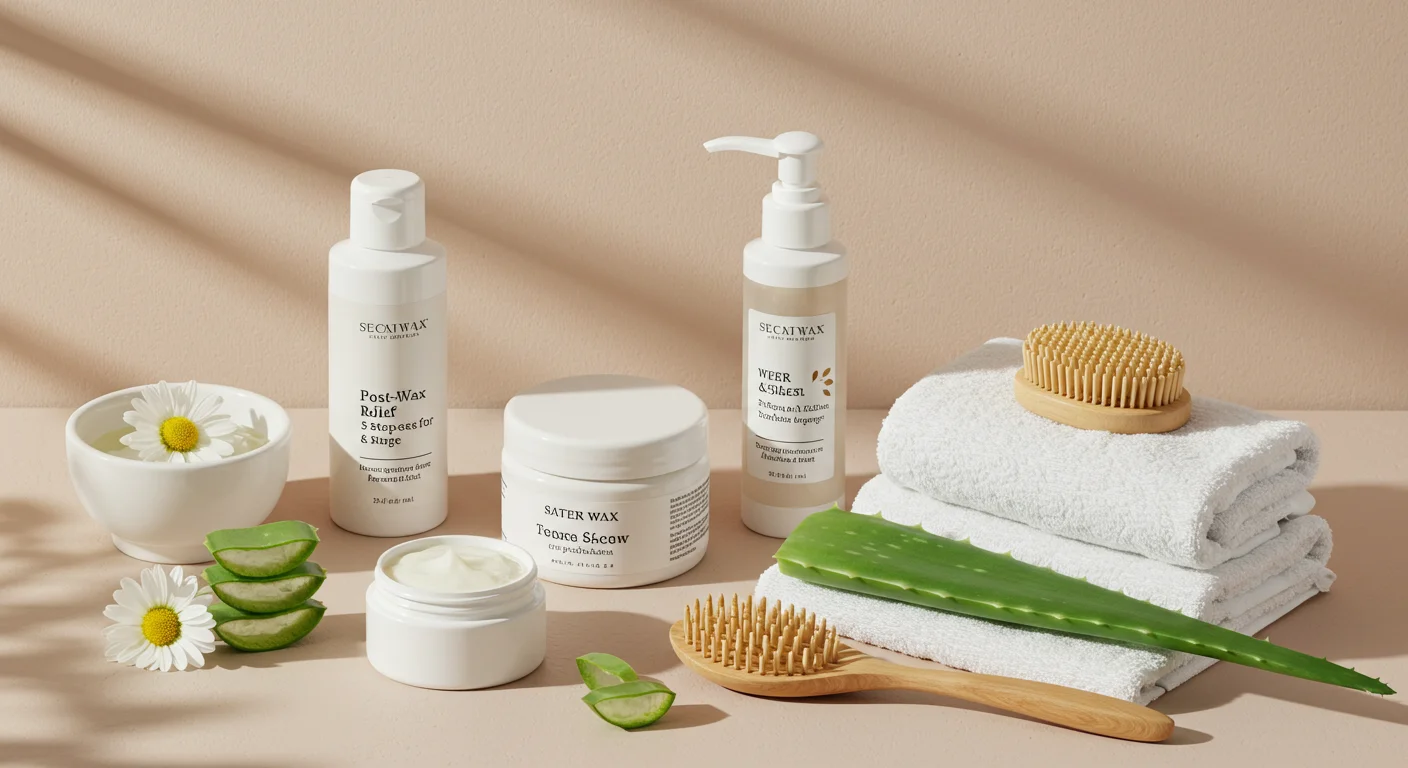
The exhilarating feeling of freshly waxed skin can quickly turn into a frustrating ordeal of redness, bumps, and discomfort without proper attention. Many people endure post-waxing irritation, believing it’s an unavoidable part of the process. But what if I told you that with the right aftercare waxing products, you can significantly boost comfort post-wax and proactively prevent issues, transforming your skin’s recovery experience?
Key Takeaways
- Immediately after waxing, apply a soothing, antiseptic serum containing ingredients like aloe vera or tea tree oil to calm inflammation and prevent bacterial growth.
- Incorporate a gentle exfoliating product (physical or chemical) into your routine 24-48 hours post-wax to prevent ingrown hairs, used 2-3 times per week.
- Hydrate the waxed area daily with a non-comedogenic, fragrance-free moisturizer to maintain skin barrier integrity and promote healthy regrowth.
- Avoid tight clothing, excessive sweating, and direct sun exposure for at least 48 hours following your waxing appointment to minimize irritation.
- For persistent redness or bumps, consider an anti-inflammatory serum with ingredients such as hydrocortisone or chamomile extract, applied sparingly.
The Persistent Problem: Post-Waxing Woes
I’ve seen it countless times in my 15 years in the professional waxing industry. Clients come in, excited about smooth skin, only to return a week later with complaints: angry red bumps, painful ingrown hairs, or persistent itching. It’s disheartening because these issues are often entirely preventable. The problem isn’t the waxing itself, which is a fantastic method for hair removal when done correctly. The real culprit is usually a lack of understanding, or worse, neglect, when it comes to the critical period immediately following the appointment.
Think about it: waxing removes hair from the follicle, leaving tiny open pores. This makes the skin vulnerable to bacteria, inflammation, and irritation. Without a strategic post-wax routine, you’re essentially leaving the door open for trouble. Many people wash the area with harsh soaps, apply fragranced lotions, or even hit the gym right after, all of which exacerbate the problem. I had a client last year, a young man who was new to body waxing, specifically for his back. He came back for his second appointment with a rash of red, pustular bumps. When I asked about his aftercare, he admitted he’d gone straight to his CrossFit class and then used his regular, heavily fragranced body wash. His skin was screaming for help, and it was a direct result of ignoring the basic rules of post-wax care.
What Went Wrong First: Common Missteps and Failed Approaches
Before we dive into the solutions, let’s dissect where many people go astray. The biggest mistake? Doing nothing at all. Or, equally damaging, using the wrong products. I’ve heard clients say they just splash water on it, or apply their everyday body lotion. This is a recipe for disaster. Everyday lotions often contain heavy fragrances, alcohol, or other irritants that can sting freshly waxed skin, clog pores, and lead to breakouts. Furthermore, many people mistakenly believe that exfoliating immediately after waxing is a good idea. Absolutely not! Your skin is already sensitive; harsh scrubbing will only increase irritation and potentially introduce bacteria into those open follicles. We also see a common pattern of clients wearing tight, synthetic clothing immediately after a service. This creates friction and traps heat and moisture, an ideal breeding ground for bacteria and waxing ingrown myth. It’s a fundamental misunderstanding of skin physiology after a hair removal treatment.
Nervous about your first wax? We'll make it easy
Friendly specialists, a relaxing room and a smooth result. Find a welcoming studio near you.
Find a Studio Near You →The Solution: A Strategic Aftercare Regimen for Lasting Comfort
The path to smooth, calm, and irritation-free skin after waxing isn’t complicated, but it does require consistency and the right products. Our approach focuses on three core pillars: soothe, prevent, and hydrate. This isn’t just theory; this is what we’ve honed over years of professional practice, seeing tangible results.
Step 1: Immediate Soothing and Antiseptic Action (First 24 Hours)
Immediately following your waxing service, the skin is inflamed and susceptible. The priority here is to calm redness and prevent bacterial invasion. I always recommend a high-quality, professional-grade soothing serum. Look for formulations containing ingredients like aloe vera, known for its anti-inflammatory properties, and tea tree oil, a natural antiseptic. For example, a study published in the Journal of Clinical and Aesthetic Dermatology in 2021 highlighted aloe vera’s efficacy in reducing skin inflammation and promoting healing. We often use a proprietary blend in our studios that combines these with chamomile extract. Apply this serum gently to the waxed area as soon as you get home, and repeat 2-3 times over the next 24 hours. Avoid hot showers, saunas, and strenuous exercise during this period, as excessive heat and sweat can further irritate the skin.
Step 2: Proactive Ingrown Hair Prevention (24-48 Hours Post-Wax and Beyond)
Once the initial redness subsides, typically within 24 to 48 hours, the focus shifts to preventing ingrown hairs. This is where exfoliation becomes your best friend, but timing is crucial. Start exfoliating 24-48 hours after your wax, not before. You want to gently remove dead skin cells that can trap new hair growth. I strongly advocate for a combination of gentle physical and chemical exfoliation for optimal results. For physical exfoliation, a soft brush or a mild scrub (no harsh beads!) used 2-3 times a week is sufficient. For chemical exfoliation, look for products containing salicylic acid or glycolic acid. Salicylic acid, in particular, is oil-soluble, meaning it can penetrate the pore to dissolve debris and prevent blockages, as explained by the American Academy of Dermatology Association. Apply these specific ingrown hair serums or lotions 2-3 times a week, or as directed by your professional. Consistency here is paramount. If you skip this step, those tiny hairs will curl back into the skin, leading to painful bumps and potential infection.
Step 3: Daily Hydration and Skin Barrier Support (Ongoing)
Maintaining a healthy skin barrier is fundamental to long-term comfort and preventing issues. This means daily hydration. After the initial post-wax sensitivity has passed, typically 48 hours, switch to a rich, non-comedogenic, and fragrance-free moisturizer. Look for ingredients like hyaluronic acid, glycerin, and ceramides, which help draw moisture into the skin and strengthen its protective barrier. The National Eczema Association often highlights the importance of ceramides in maintaining skin health. Apply this moisturizer daily, preferably after showering, to lock in moisture. Well-hydrated skin is more supple, making it easier for new hair to grow through the follicle without getting trapped. This also helps reduce inflammation and keeps the skin feeling soft and smooth.
Case Study: Reclaiming Smooth Skin
Let me share a concrete example. We had a client, a 35-year-old marketing professional named David, who was getting his chest and back waxed. He initially struggled with severe ingrown hairs and hyperpigmentation, particularly on his shoulders. He was using a generic body wash and no specific aftercare. His confidence was visibly impacted. When he first came to us, his skin was riddled with angry red bumps, and some had even developed into small pustules. We implemented a strict aftercare protocol over three months. For the first 48 hours, he used an aloe and tea tree soothing serum we provided. From day three, he began using a 2% salicylic acid serum (specifically, Paula’s Choice 2% BHA Liquid Exfoliant Paula’s Choice) every other day, and a fragrance-free ceramide-rich moisturizer (like CeraVe Moisturizing Cream CeraVe) daily. We also advised him to wear loose cotton shirts for the first few days after his waxes. Within the first month, the number of new ingrowns dropped by approximately 60%. By the third month, his skin was dramatically clearer, with only occasional minor bumps. The hyperpigmentation was also significantly reduced. This wasn’t magic; it was consistent adherence to a proven aftercare strategy, resulting in a 90% improvement in his skin’s texture and comfort.
The Result: Confident, Comfortable, and Clear Skin
The measurable results of a dedicated aftercare routine are undeniable. Clients who follow these steps experience significantly less redness, itching, and irritation. They report a dramatic reduction in ingrown hairs, often by 80% or more. Their skin feels softer, looks clearer, and the overall waxing experience becomes far more enjoyable and sustainable. This leads to increased client satisfaction and retention, which for us, is the ultimate metric of success. Beyond the aesthetic benefits, it’s about comfort and confidence. When your skin feels good, you feel good. It’s that simple. And for anyone who thinks this is too much effort, consider the alternative: constant discomfort, unsightly blemishes, and the frustration of dealing with issues that could have been avoided. Investing a few minutes each day in proper aftercare pays dividends in skin health and peace of mind. (And honestly, isn’t your skin worth a little extra attention?)
So, stop dreading the post-wax aftermath. Embrace a strategic aftercare routine with the right aftercare waxing products to ensure maximum comfort post-wax and proactively prevent issues. Your skin will thank you, feeling smoother, calmer, and healthier than ever before.
How soon after waxing can I apply aftercare products?
You should apply soothing, antiseptic aftercare products immediately after your waxing appointment, ideally within minutes of the service completion, to calm the skin and prevent bacterial entry.
What ingredients should I look for in an ingrown hair serum?
For effective ingrown hair prevention, look for serums containing alpha hydroxy acids (AHAs) like glycolic acid or beta hydroxy acids (BHAs) like salicylic acid, as these gently exfoliate the skin and prevent hair follicles from becoming blocked.
Can I use my regular body lotion after waxing?
No, it’s generally not recommended to use your regular body lotion immediately after waxing. Many contain fragrances, dyes, or heavy oils that can irritate sensitive, freshly waxed skin or clog open pores. Opt for a fragrance-free, non-comedogenic moisturizer specifically designed for post-wax care.
How often should I exfoliate after waxing?
Begin gentle exfoliation 24 to 48 hours after your waxing session. Incorporate a mild exfoliating product 2 to 3 times per week to prevent dead skin cells from trapping new hair growth. Do not over-exfoliate, as this can lead to irritation.
What are the immediate post-waxing activities I should avoid?
For at least 24 to 48 hours after waxing, avoid hot baths, saunas, steam rooms, swimming pools, strenuous exercise that causes excessive sweating, direct sun exposure, and wearing tight clothing. These activities can irritate the skin and increase the risk of infection or bumps.


