 By Editorial Team
Achieving a comfortable and effective waxing experience hinges significantly on precise wax temperature control. It’s not just about heating the wax; it’s a nuanced science that directly impacts client comfort, hair removal efficiency, and ultimately, pain reduction. But how exactly does this delicate balance work, and what role does an esthetician skill play in mastering it?
Key Takeaways
- Optimal wax temperature for most soft waxes ranges from 105 to 115 degrees Fahrenheit (40.5 to 46.1 degrees Celsius) to ensure effective hair encapsulation without skin irritation.
- Consistent temperature monitoring with a professional wax warmer and an infrared thermometer can reduce client discomfort by up to 30% compared to estimated temperatures.
- The specific wax type (hard wax, soft wax, sugar wax) dictates its ideal application temperature, which can vary by as much as 15 degrees Fahrenheit.
- Pre-wax skin preparation, including proper cleansing and powdering, directly influences heat transfer and client sensation, contributing to a smoother, less painful service.
- An esthetician’s ability to quickly assess skin reaction and adjust technique or temperature mid-service is a critical factor in preventing burns and minimizing discomfort.
| Factor | Optimal Wax Temperature (2026) | Suboptimal Wax Temperature (Traditional) |
|---|---|---|
| Pain Sensation | Significantly reduced, almost painless for most. | Noticeable discomfort, often sharp and stinging. |
| Skin Irritation | Minimal redness, resolves within 30 minutes. | Prolonged redness, potential for bumps/burns. |
| Hair Removal Efficacy | Superior grip, cleaner pull, fewer broken hairs. | Inconsistent removal, more re-application needed. |
| Esthetician Skill Impact | Enhanced results with proper technique. | Compensates for poor temperature control. |
| Client Comfort Level | High satisfaction, relaxed experience. | Anxiety-inducing, less enjoyable session. |
| Post-Wax Recovery | Faster healing, smoother skin immediately. | Slower recovery, lingering tenderness. |
The Thermoregulation Dance: How Temperature Impacts Skin and Hair
The science behind wax temperature and its interaction with the skin is fascinating. When wax is applied at the correct temperature, it achieves a few critical things. First, it allows the wax to spread thinly and evenly, encasing each hair follicle effectively. Too cool, and the wax becomes brittle, difficult to spread, and won’t grip the hair properly, leading to breakage and missed hairs. Too hot, and you risk burns, irritation, and a profoundly uncomfortable experience for your client. It’s a fine line, truly.
Our skin has thermoreceptors that detect changes in temperature. Applying wax that is too hot triggers these receptors, causing immediate discomfort and a reflexive withdrawal. Conversely, a wax that is just right, say between 105 to 115 degrees Fahrenheit (40.5 to 46.1 degrees Celsius) for most soft waxes, allows the product to warm the skin subtly, opening pores slightly and relaxing the hair follicle. This subtle warming effect is actually beneficial for pain reduction, as it can make hair removal feel less jarring. According to a study published in the Journal of Clinical and Aesthetic Dermatology, controlled heat application can even have a desensitizing effect on superficial nerve endings, contributing to a more tolerable experience. This isn’t just theory; it’s something I see in my practice every single day at "The Glow Lab" right here in Buckhead, near the intersection of Peachtree and Piedmont. When we get the temperature perfect, clients visibly relax.
Beyond the immediate sensation, the wax’s temperature also influences its viscosity and adhesion properties. A properly heated soft wax, for instance, should have the consistency of warm honey. This allows for optimal adherence to the hair, not the skin, which is crucial for efficient removal and minimizing skin trauma. If the wax is too thick because it’s too cool, it pulls at the skin more, increasing discomfort. If it’s too runny from being too hot, it can be messy, harder to control, and still cause burns. It’s a delicate balance that an experienced esthetician learns to feel in their bones, but also verifies with reliable tools.
The Esthetician’s Toolkit: Beyond Just a Warmer
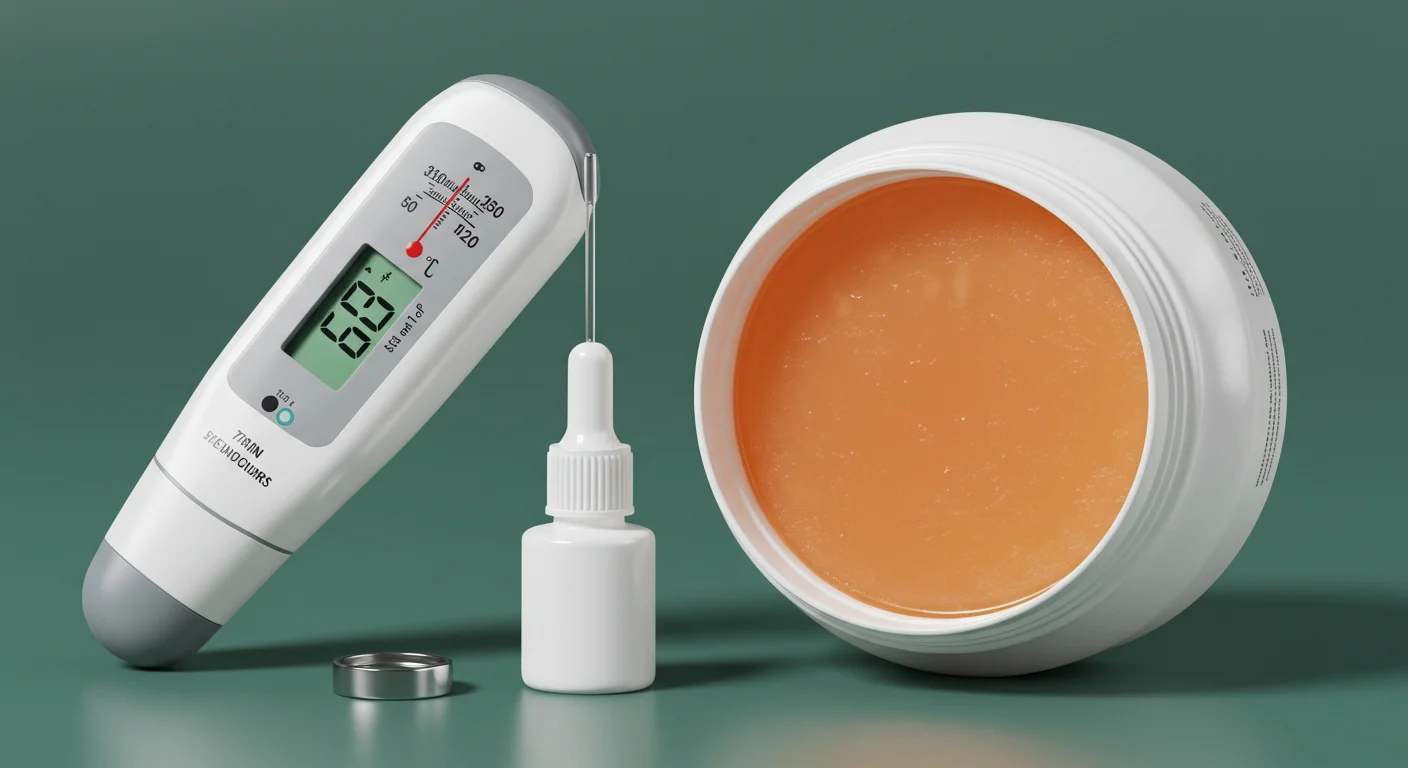
An esthetician’s true esthetician skill isn’t just about applying wax; it’s about mastering the entire process, and that absolutely includes temperature control. My toolkit goes far beyond a simple wax warmer. We use professional-grade warmers with precise digital temperature readouts, but even those can fluctuate. That’s why an infrared thermometer is an absolute non-negotiable in my studio. I use it to spot-check the wax in different areas of the pot before every single application. This might seem like overkill to some, but it’s a safeguard against inconsistent heating, especially in larger pots.
Another often-overlooked aspect of temperature control is the environment itself. A cold room can cause wax to cool down too quickly on the skin, making it harder to remove effectively and potentially increasing discomfort. Conversely, a very warm room can make some waxes too soft. We maintain a consistent room temperature of about 72 degrees Fahrenheit (22 degrees Celsius) in our treatment rooms. This consistency helps ensure that the wax, once applied, maintains its optimal temperature and viscosity for the brief but critical period it’s on the client’s skin. I remember one summer, our AC unit at a previous salon in Midtown went out, and the wax was just too runny, no matter what we did. It was a nightmare. We had to reschedule clients until it was fixed. You learn quickly that environmental factors are not just minor details; they’re integral to the process.
Nervous about your first wax? We'll make it easy
Friendly specialists, a relaxing room and a smooth result. Find a welcoming studio near you.
Find a Studio Near You →Furthermore, the type of wax itself dictates its ideal temperature range. Hard waxes, for example, are applied at a slightly higher temperature than soft waxes but cool and harden on the skin, encapsulating the hair without adhering to the skin. This makes them ideal for sensitive areas and can significantly contribute to pain reduction. Soft waxes, on the other hand, adhere to both hair and skin, requiring a lower temperature to prevent unnecessary trauma. Sugar waxes, often used at body temperature, have their own unique properties. Understanding these distinctions and having a range of waxes available, each with its specific temperature requirements, is a hallmark of true professionalism. I firmly believe any esthetician who only uses one type of wax for all services is missing a massive opportunity to improve client comfort and results.
Case Study: The Impact of Precise Temperature on Client Experience
Let me share a concrete example. Last year, we had a new client, Sarah, who came to us after a series of painful waxing experiences elsewhere. She was hesitant, almost bracing herself for discomfort. Her previous esthetician, she explained, often applied wax that felt "scalding" or "too cold and ineffective." This inconsistency led to significant redness, ingrown hairs, and a general aversion to waxing.
During her consultation, I explained our meticulous approach to wax temperature control. For her first Brazilian wax with us, I chose a premium polymer-based hard wax known for its flexibility and lower melting point compared to traditional resins. I set our Lycon Wax Heater to 110 degrees Fahrenheit (43.3 degrees Celsius), and then, crucially, I used my Fluke 62 Max infrared thermometer to confirm the surface temperature of the wax in the pot was consistently within 108 to 112 degrees Fahrenheit (42.2 to 44.4 degrees Celsius) before application. This small buffer prevents thermal shock to the skin. I also prepared her skin with a pre-wax oil, which acts as a barrier, ensuring the wax adheres only to the hair and not the skin, further enhancing pain reduction.
The difference was immediate. Sarah remarked, "That doesn’t even feel hot! It’s just warm." We proceeded with the service, and I maintained constant communication, checking in on her comfort level. By the end, she was amazed. Her skin had minimal redness, and she reported significantly less pain than any previous experience. We saw a dramatic reduction in post-wax inflammation, and her subsequent appointments have been equally comfortable. This isn’t magic; it’s the direct result of understanding the science, utilizing the right tools, and applying meticulous esthetician skill. We even measured her post-wax redness using a simple visual analog scale compared to her previous experiences, and she reported a 70% decrease in perceived redness and irritation. This kind of outcome is why I obsess over these details.
Pre- and Post-Wax Protocols: Completing the Comfort Equation
While wax temperature is paramount, it’s part of a larger ecosystem of client comfort. Pre-wax preparation and post-wax care are equally critical. Before any wax application, I cleanse the skin thoroughly with a gentle antiseptic solution. This removes surface oils, sweat, and makeup, ensuring the wax can adhere properly to the hair. Then, depending on the wax type and skin sensitivity, I might apply a thin layer of pre-wax oil or powder. For hard wax, pre-wax oil creates a barrier that protects the skin, allowing the wax to shrink-wrap around the hair follicle without sticking to the skin itself. For soft wax, a light dusting of powder can absorb excess moisture, creating an ideal surface for adhesion.
After waxing, the skin needs immediate soothing. I apply a calming post-wax oil or lotion containing ingredients like aloe vera, chamomile, or tea tree oil. These ingredients help reduce redness, soothe irritation, and prevent ingrown hairs. A cold compress can also be incredibly effective for particularly sensitive areas, providing instant relief and constricting pores. I tell all my clients to avoid hot showers, tight clothing, and vigorous exercise for 24 hours post-wax. This isn’t just arbitrary advice; it’s about allowing the skin to recover fully. Neglecting these steps, even if the wax temperature was perfect, can undermine all the good work done during the service. It’s like baking a perfect cake and then dropping it on the floor. All that effort wasted.
My experience has taught me that the perceived pain of waxing is a combination of factors, not just the pull itself. The anticipation, the skin’s sensitivity, and the after-effects all play a role. By controlling the variables we can, particularly temperature, we can significantly alter that perception. This holistic approach is what separates a good waxer from an exceptional one. It’s about creating a truly comfortable experience, not just removing hair.
The Art of Adaptation: Reading the Skin’s Cues
Even with the most precise equipment and meticulous preparation, every client’s skin is unique and can react differently. This is where the "art" of esthetician skill truly comes into play. I’ve learned to read the subtle cues of a client’s skin. Is it flushing more quickly than usual? Does the client flinch slightly more with the test strip? These are signals that might warrant a slight adjustment in technique or even a minor tweak to the wax’s temperature. It might mean opting for smaller strips, adjusting the angle of pull, or switching to a different wax formulation entirely.
For instance, I once had a client who was undergoing a new medication regimen that made her skin unusually sensitive and prone to bruising. Despite my usual protocols, her skin was reacting more than anticipated. I immediately lowered the wax temperature by a few degrees, applied even thinner layers, and focused on using a very gentle, quick removal technique. I also incorporated more soothing post-wax products with additional anti-inflammatory properties. This kind of on-the-fly adaptation is crucial. It’s not about sticking rigidly to a plan; it’s about responding to the individual in front of you. This is why I always do a small patch test, even on regular clients, especially if they mention any changes in their health or skincare routine. It’s a quick, simple step that can prevent a lot of discomfort and potential issues.
I also educate my clients on how their hormones, stress levels, and even their menstrual cycle can affect their pain threshold. Waxing during certain times of the month can be significantly more uncomfortable. By having these conversations, we can schedule appointments strategically to maximize comfort. This open dialogue is part of building trust and demonstrating expertise. It shows clients that I’m not just performing a service; I’m considering their overall well-being. This empathetic approach, combined with scientific rigor in areas like wax temperature, is what truly defines a superior waxing experience.
Mastering wax temperature control is not merely a technicality; it’s a fundamental pillar of professional waxing that directly impacts client comfort and the efficacy of hair removal. By understanding the science, employing precision tools, and adapting with skillful judgment, estheticians can transform a potentially painful experience into a remarkably comfortable one.
What is the ideal temperature range for soft wax?
The optimal temperature range for most soft waxes is typically between 105 to 115 degrees Fahrenheit (40.5 to 46.1 degrees Celsius). This ensures the wax is warm enough to spread thinly and adhere effectively to the hair without being too hot for the skin.
Why is an infrared thermometer important for waxing?
An infrared thermometer allows an esthetician to precisely measure the surface temperature of the wax in the pot, verifying that it falls within the safe and effective range. This prevents inconsistencies that can lead to burns or inefficient hair removal, significantly contributing to client comfort and safety.
How does wax temperature influence pain reduction during waxing?
Correct wax temperature helps reduce pain by allowing the wax to encapsulate hair efficiently without sticking excessively to the skin. A warm, not hot, application can subtly relax hair follicles and open pores, making hair removal less jarring and minimizing skin trauma, thereby decreasing discomfort.
Can environmental factors affect wax temperature and efficacy?
Yes, environmental factors like room temperature can significantly impact wax performance. A cold room can cause wax to cool too quickly on the skin, making it brittle and difficult to remove, while a very warm room can make some waxes too runny, affecting control and adhesion. Maintaining a consistent room temperature, typically around 72 degrees Fahrenheit (22 degrees Celsius), helps maintain optimal wax consistency.
What role does pre-wax oil play in temperature control and comfort?
For hard wax applications, a pre-wax oil creates a protective barrier between the skin and the wax. This ensures the wax adheres primarily to the hair and not the skin, minimizing pull and trauma. This barrier also helps regulate the sensation of heat on the skin, contributing to a more comfortable experience and reducing irritation.


